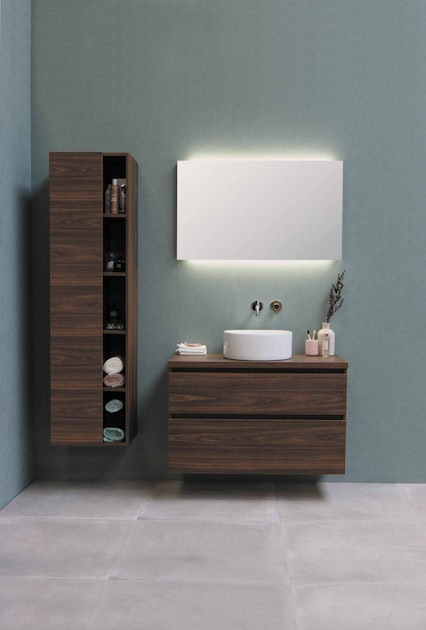
What Are the Best Materials for a Bathroom Renovation in a Coastal Climate Like Newcastle?
When I moved into my Newcastle home, I thought the ocean breeze was the greatest thing ever—fresh air, stunning views, and salt in my hair.
Then I renovated my bathroom… and suddenly learned that the same sea breeze that makes my morning coffee feel magical can also make fixtures rust, tiles discolour, and paint peel faster than you can say “Nor’easter.”
If you’re renovating a bathroom anywhere near the coast—Newcastle, Merewether, Stockton, Dudley, Bar Beach, Redhead, you name it—you quickly discover that materials matter.
You can’t just pick whatever looks nice and hope for the best. Salt, humidity, moisture and coastal winds will test every choice you make.
In this guide, I’ll walk you through the best, most durable, most coastal-friendly materials for bathroom renovations in Newcastle.
These are the materials that hold up against salt air, resist corrosion, fight mould, and still look incredible years later.
Why materials matter in coastal bathrooms
Bathrooms already face plenty of moisture from showers, baths and steam. Add in salt air, humidity and wind exposure from Newcastle’s coast,
and your bathroom becomes a battleground. The wrong material will:
- corrode quickly,
- warp, swell or crack,
- develop mould,
- rust,
- fade or peel.
The right materials, on the other hand, will stay strong, look amazing, and save you money on repairs long-term.
Best tile materials for coastal bathrooms
Tiles are the star players of any bathroom renovation. In a coastal climate, your two best friends are:
1. Porcelain tiles (top recommendation)
Porcelain tiles are:
- dense,
- low-porosity,
- incredibly durable,
- highly water-resistant.
They withstand salt, moisture and temperature swings better than ceramic tiles and don’t absorb water easily, making them ideal for floors, walls and showers.
2. Ceramic tiles
Ceramic tiles are fine for walls but not as tough as porcelain. They’re still a solid choice in low-splash zones, but avoid them for flooring in coastal homes.
3. Natural stone tiles (use with caution)
Stone looks stunning—but coastal air, salt and moisture can damage:
- travertine
- limestone
- marble
These materials require regular sealing and more maintenance to prevent staining and erosion.
Best vanity materials for Newcastle’s humidity & salt air
The vanity is one area where coastal homeowners make the most mistakes. Moisture + poor materials = swollen drawers, peeling finishes or mould.
1. PVC vanities (best choice)
PVC vanities are:
- 100% waterproof,
- resistant to swelling,
- perfect for high-humidity areas.
They’re the go-to choice for homes close to the beach.
2. Solid timber (with proper sealing)
Timber brings warmth and style, but coastal climates demand:
- marine-grade polyurethane sealing
- regular maintenance
- good ventilation
Choose hardwoods like teak or oak over softwoods.
3. Moisture-resistant (MR) MDF / Polyurethane vanities
MR MDF is fine if adequately sealed, but not ideal if your home copes with constant sea breeze or poor ventilation.
Tapware finishes that survive coastal air
This is where many Newcastle homeowners are caught off guard. Not all tapware finishes can survive constant exposure to salt air.
Best finishes for coastal environments:
1. Brushed nickel
This is one of the most corrosion-resistant finishes. It hides fingerprints and stands up extremely well to humidity.
2. Stainless steel (316 marine-grade)
The gold standard for coastal climates. It resists rust, tarnishing and pitting.
3. Chrome (high-quality chrome only)
Chrome is affordable and stylish, but choose high-quality brands only—cheap chrome can peel or rust.
Finishes to avoid:
- Matte black (shows salt, chips easily)
- Brass (unless solid and well-sealed)
- Cheap electroplated finishes
Shower screens & glass for coastal homes
Your shower screen gets blasted with moisture daily—but coastal homes add salt, corrosion and mineral deposits to the mix.
Best choices:
1. Toughened glass with nano-coating
A protective nano-coating helps prevent:
- mineral build-up,
- water spots,
- soap scum.
2. Stainless steel fittings
Avoid chrome or cheap aluminium parts that will corrode faster near the coast.
3. Frameless glass shower screens
Fewer metal parts = fewer corrosion risks. They’re also visually stunning.
Best wall materials in coastal climates
1. Villaboard (James Hardie)
This is the gold-standard wall sheeting for wet areas. It is:
- water-resistant,
- mould-resistant,
- perfect for showers and bathrooms.
2. Moisture-resistant plasterboard (for dry zones)
Good for ceilings or low-moisture walls, but not enough for shower zones.
3. Waterproof membrane (non-negotiable!)
No matter which materials you choose, proper waterproofing will make or break the longevity of your renovation.
Best flooring for coastal bathrooms
Porcelain tiles (best option)
Coastal-proof, waterproof and tough. Matte textures offer excellent slip resistance.
Natural stone (with sealing)
If you love stone, choose slate or granite and be prepared for maintenance.
NOT recommended:
- Laminate flooring
- Engineered wood
- Vinyl plank flooring
All will eventually fail under humidity and salt exposure.
Best lighting & electrical fixtures
Electrical fixtures in coastal areas need to withstand humidity and sometimes salty air entering through windows.
Choose:
- IP-rated fixtures
- Anti-corrosion aluminium or stainless steel
- LED lighting (cooler, energy-efficient)
- Ventilation fans with rust-resistant motors
Ventilation is your secret weapon
A strong exhaust fan is essential in coastal homes to fight mould and humidity.
Other coastal-smart upgrades
1. Anti-mould paint
Perfect for ceilings and upper walls. It handles moisture far better than standard paint.
2. Sealed grout or epoxy grout
Epoxy grout is mould-resistant, waterproof and stainproof—ideal for coastal bathrooms.
3. Solid-core doors
Hollow-core doors absorb moisture and can warp.
4. Stainless steel drainage grates
Avoid chrome-plated or plastic grates—coastal air destroys them quickly.
Frequently asked questions
Do I need special materials if I’m not right on the beach?
If you’re within 5–15 km of the coastline (most of Newcastle), you’ll still benefit from corrosion-resistant materials.
Is matte black tapware okay in coastal homes?
Matte black looks great but is prone to chipping and corrosion when exposed to salt. Better to choose brushed nickel or marine-grade stainless steel.
Do I need special waterproofing in a coastal home?
Waterproofing is crucial in any home, but coastal humidity means it’s even more important that it’s done professionally.
Is stone a bad idea in coastal bathrooms?
Not necessarily—just know it requires sealing and ongoing maintenance.
Final thoughts & who to talk to next
Renovating a bathroom in a coastal climate like Newcastle means choosing materials that are beautiful, durable and built to withstand salt, humidity and moisture.
The best choices include:
- porcelain tiles,
- PVC or timber vanities,
- brushed nickel or marine-grade stainless steel tapware,
- frameless shower screens,
- Villaboard sheeting,
- IP-rated lighting,
- epoxy grout and anti-mould paint.
If you’re not sure where to start—or want a bathroom that’s truly designed for Newcastle’s coastal conditions—reach out to the experts at
Bathroom Renos Newcastle.
They specialise in Newcastle and surrounding coastal suburbs, understand exactly how local weather affects bathrooms, and can guide you in choosing materials that will last for years.
With the right team and the right materials, your new bathroom won’t just look incredible—it will stand up to Newcastle’s salty, seaside climate like a champion.