Do Older Homes in Maitland Need Special Considerations When Renovating a Bathroom?
I’ve always loved older homes—the character, the charm, the creaky floorboards that sound like they’re whispering
“I’ve seen some things.” So when I first helped renovate a bathroom in a 1920s Maitland home, I walked in with rose-coloured glasses
and a Pinterest board full of heritage bathroom ideas.
Then demolition day arrived… and we found pipes that looked older than electricity, joists that crumbled like biscuits,
and a wall cavity full of surprises (none of them pleasant). That was the moment I realised something important:
renovating a bathroom in an older Maitland home is a completely different beast.
If you live in Lorn, Morpeth, Rutherford, East Maitland, Greta, Lochinvar or surrounds, chances are your home has lots of history.
And history is wonderful—until you try to renovate it.
In this guide, I’ll break down exactly what makes renovating older bathrooms in Maitland unique, the heritage considerations
you need to know, plumbing and electrical quirks, hidden issues most people don’t expect, and smart ways to modernise
while preserving the classic charm of your home.
Why older Maitland homes need special renovation planning
Maitland is full of homes built in the early 1900s through to the mid-century era.
These homes were built with different materials, different plumbing standards, and—let’s be honest—none of the waterproofing requirements
we have today.
That means when renovating a bathroom, you may run into:
- timber floors that have softened over time,
- walls that aren’t straight or square,
- drainage that no longer meets modern standards,
- old copper or galvanised pipes that must be replaced,
- quirky room layouts that don’t suit modern bathroom designs.
None of these challenges are deal-breakers—they just require planning, expertise, and the right renovation approach.
Heritage restrictions & preserving the character of your home
Some Maitland suburbs—especially Lorn and Morpeth—contain heritage-listed or heritage-conservation homes.
This doesn’t mean you can’t renovate your bathroom; it simply means you must understand what can and can’t change.
What heritage rules typically apply?
Internal renovations like bathrooms often fall outside strict heritage requirements.
However, some rules may apply if:
- you want to change windows,
- you want to remove or alter original structural walls,
- you want to update external plumbing vents or penetrations,
- you’re converting another room into a bathroom.
If you’re in a heritage-listed home, renovating with the right materials and visual style helps retain the soul of the property.
Common heritage design elements homeowners keep:
- federation-style tiles,
- clawfoot bathtubs,
- wainscoting and panelled walls,
- heritage tapware and fittings,
- traditional colour schemes,
- arched mirrors and shaker cabinetry.
Old plumbing systems: what to expect
Older homes in Maitland often come with equally old plumbing systems.
These can cause issues during renovation, especially after walls and floors are opened up.
Common plumbing challenges:
- galvanised pipes that are rusted or blocked,
- poor drainage fall requiring re-plumbing,
- non-compliant trap systems that must be updated,
- old copper pipes needing replacement,
- leaks hidden under floors.
A renovation is the perfect time to update plumbing—saving you future headaches, leaks, and expensive patch jobs.
Modern plumbing upgrades included in many older-home renovations:
- new water lines,
- new drainage pipes,
- new mixer bodies installed inside walls,
- new isolating valves for safety.
Electrical upgrades in older Maitland homes
Bathrooms require strict electrical safety standards: proper earths, RCD protection, and compliant wiring.
Older homes—especially pre-1980 builds—often lack these.
Common discoveries during demolition:
- no earth in lighting circuits,
- old cotton-insulated wiring,
- worn switchboards that need safety upgrades,
- lights and fans running on the same unsafe circuit.
Updating wiring ensures your bathroom is safe, legal, and future-proof.
Asbestos considerations
Many Maitland homes built before 1987 contain asbestos, especially in:
- wall sheeting,
- tile underlay,
- ceiling panels,
- vinyl flooring and adhesives.
If asbestos is found, it must be removed by licensed professionals before renovation continues.
Structural issues common in older homes
Decades of moisture, movement and everyday use mean older homes can develop structural quirks.
Common structural issues:
- timber rot under old showers or baths,
- joists weakened by past leaks,
- floor sagging that needs levelling,
- walls not square, making tiling tricky.
Good renovators expect these issues and repair them to modern standards.
Ventilation & moisture issues
Older homes often lack proper ventilation, leading to mould or dampness.
Common upgrades include:
- installing a ducted exhaust fan,
- adding ceiling vents,
- upgrading window seals,
- dehumidifier installation during drying stages.
Ventilation upgrades are essential to extend the life of your new bathroom.
Designing a heritage-style bathroom
Many Maitland homeowners want to preserve the vintage charm of their older home while upgrading functionality.
Common elements in heritage-inspired renovations:
- subway or federation tiles,
- herringbone floors,
- vintage-style tapware,
- clawfoot or freestanding baths,
- panelled cabinetry,
- shaker vanity doors,
- brushed nickel or brass finishes.
These help maintain your home’s historical essence while ensuring modern usability.
How to blend modern features with classic character
One of the biggest trends in Maitland bathrooms is combining classic style with modern luxuries.
Modern additions that blend beautifully with older homes:
- walk-in showers with frameless screens,
- underfloor heating,
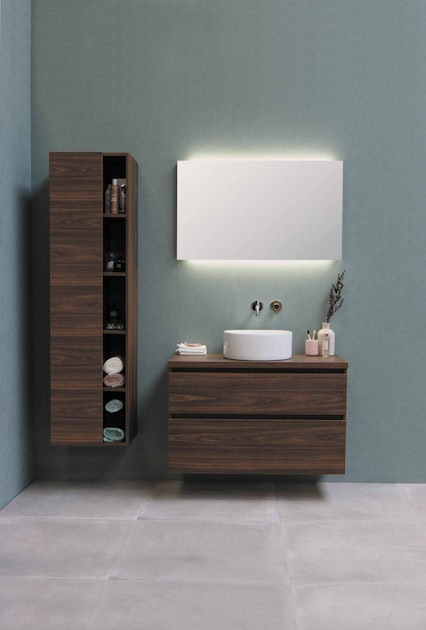
- LED backlit mirrors,
- stone-look porcelain tiles,
- wall-hung vanities for extra space.
With the right design, you can enjoy the charm of the past with the comfort of the present.
Frequently asked questions
Do I need council approval to renovate a bathroom in an older home?
Usually no—unless you’re changing layout, windows or structural walls. Heritage-listed properties may require additional checks.
Will renovating an older home cost more?
Not always, but older homes often have hidden issues that surface during demolition.
Can I keep the original bathtub or tiles?
Often yes — many older fixtures can be restored or incorporated into a modern design.
Are older homes harder to waterproof?
They require more preparation, but professional waterproofers handle this daily.
Final thoughts & who to talk to next
Renovating a bathroom in an older Maitland home is incredibly rewarding—but it does require special care,
extra planning and the right team who understands heritage homes, aging plumbing and classic design.
If you want a renovation team experienced with Maitland’s older homes, historical properties and
heritage-sensitive designs, I highly recommend
Bathroom Renos Newcastle.
They understand the quirks of older homes, handle all structural, plumbing and heritage considerations,
and can design a beautiful bathroom that respects your home’s character while upgrading its functionality.
With the right guidance, your older home can have a bathroom that’s both timeless and built for the next 50 years.